English

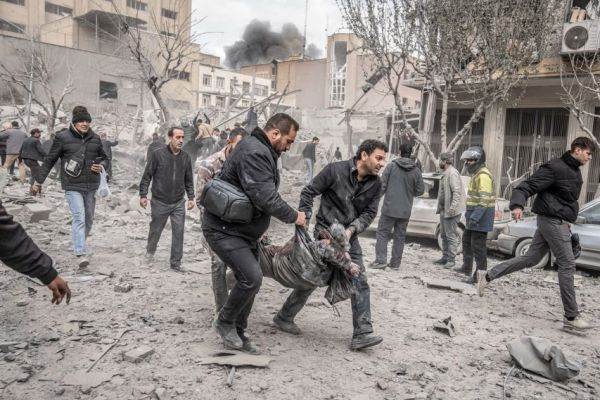
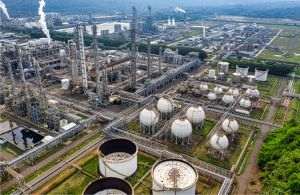
The surge in global commodity prices caused by the U.S.-Israeli war with Iran extends well beyond energy markets, according to a New York Times analysis, which highlights that, from basic plastics and fertilizers produced in Saudi Arabia and Oman to sugar from Brazil and helium from Qatar, the conflict has affected the prices, supply or production of a variety of commodities essential to the global economy.
The extent of disruption in these markets will depend largely on the duration of the conflict. A truce could allow shipping lanes, airports and factories around the world to reopen, easing the pressure, the source said, but the outlook is uncertain. US President Donald Trump has sent mixed messages about whether the United States will de-escalate the situation, and Iranian leaders have said they are prepared to continue counterattacks on US allies and threaten shipping traffic in the Persian Gulf.
Meanwhile, rising costs for some goods could be passed on to consumers as companies seek to protect their profit margins.
"Inflation has become a major concern as input costs are rising in many industries,” said Chris O'Keefe, chief portfolio officer at investment firm Logan Capital Management, quoted by the New York Times. "Consumer wallets are likely to be affected.”
The source cited presents six other major commodities, in addition to oil and gas, that are affected by the war in Iran:
• Aluminum - the highest price in the last four years
Aluminum prices rose last week to the highest level in the last almost four years as supplies from the region were disrupted. On Tuesday afternoon, for example, the metal quote marked an increase of 8% for the month of March. The increase followed the halt of deliveries from the main aluminum smelters in Qatar and Bahrain, forcing buyers to look for other suppliers in Asia. Producers in the Persian Gulf accounted for about 8% of the world's aluminum supply last year, according to the International Aluminum Institute.
They have become major aluminum producers in conditions where processing the metal requires huge amounts of energy, and the abundance of oil and natural gas in the region has been turned into a competitive advantage. But the raw materials needed to make aluminum must be imported by ships through the Strait of Hormuz - which has been virtually closed since the war began.
Aluminum is used in a wide range of items, including airplanes, power lines and canned goods. "The sharp price increase could eventually be felt in everyday purchases,” says Alex Jacquez, chief policy officer at the research group Groundwork Collaborative.
• Ethanol rises with oil price
In Brazil, the world's largest producer of sugarcane, the crop can be used for sugar or ethanol, a fuel used in cars across the country. When ethanol prices rise, factories tend to shift production to the more profitable fuel.
That shift could happen again. With oil prices rising, ethanol had risen about 10 percent since the start of the war through the close of trading on March 9. Such gains could prompt Brazilian processors to plan to use more sugarcane for fuel when the next harvest begins in the coming weeks.
Sugar prices on the Intercontinental Exchange rose last week to a one-month high.
• Urea prices up 35% since war began
About a third of the world's urea trade (the main form of nitrogen fertilizer) normally passes through the Strait of Hormuz. It is produced in the Middle East, as natural gas is a key raw material for fertilizer. The suspension of shipments and production comes just as farmers are preparing for the spring planting season. Urea prices have risen by up to 35% since the war began.
Sulfur, which is produced during oil and gas refining, is also essential for fertilizer production and is used in many other industries. The yellow powder makes it easier to cut, drill and shape certain metals, such as copper, without damaging tools or machinery. Nearly half of the world's sulfur is now trapped on the Persian Gulf side of the Strait of Hormuz, according to CRU Group.
Much of this sulfur goes to China and Indonesia for fertilizer production and nickel processing, while African agriculture also relies heavily on transportation from the region.
"The loss of fertilizer could have a significant impact on the global agricultural sector, which could raise food costs and reduce global food security,” says Wayne Winegarden, an economist at the Pacific Research Institute think tank.
• Helium - more than a quarter of the world's supply could be disrupted
Helium is a vital gas for semiconductor manufacturing. It helps cool delicate equipment, powers MRI machines and supports research laboratories and defense technologies, and is also used in party balloons.
Qatar produces about a third of the world's helium, making it the second-largest supplier after the United States. But Qatar's production has been disrupted since Iran attacked the industrial city of Ras Laffan, the natural gas hub where the country's helium facilities are located.
"More than a quarter of the world's helium supply could be cut off if the Strait of Hormuz remains closed," Phil Kornbluth, president of Kornbluth Helium Consulting, told CNBC.





















 Euro
Euro Dolar SUA
 Franc elveţian
 Liră sterlină
 Gram de aur