 English


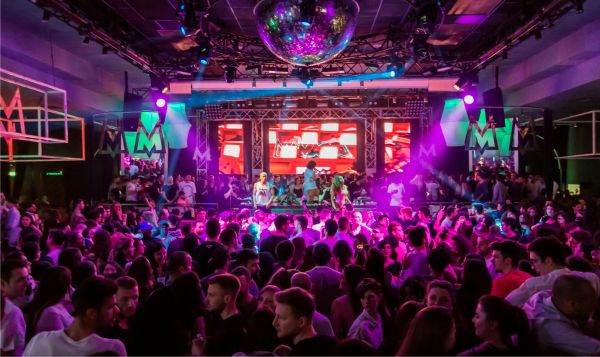
London's nightclub industry is undergoing a period of profound transformation amid changing consumption habits among young people and rapidly rising operating costs. Venue owners say the traditional model, based almost exclusively on alcohol consumption and parties lasting until morning, is no longer enough to attract customers and keep businesses profitable, according to a Reuters analysis.
More and more young people are seeking complex experiences when going out, and the simple opportunity to drink alcohol late into the night is no longer the main reason they choose to visit a club.
The new generation seeks experiences, not just drinks
Industry representatives say young audiences now want more elaborate events that include live music, special DJ sets, themed performances or interactive concepts, turning a night out into a complete social experience.
"People go out for the music and for the experience, not just to drink late. Clubbing is no longer a routine, but something people savor,” said Alex Guiste, a 27-year-old social media manager and frequent customer of London clubs.
This shift in mentality is forcing venues to adapt quickly. Many clubs now organize daytime parties, themed brunches, live concerts or special events to attract a more diverse clientele and generate additional revenue.
More and more young people are giving up alcohol
The transformation of the market is also being accelerated by changing consumption behavior among young people. Data cited by Reuters show that around 39% of people aged 18 to 24 do not consume alcohol, a proportion that is fundamentally changing the dynamics of the hospitality industry.
In the past, alcohol sales represented the main financial engine for most nightclubs. Now, however, operators are struggling to maintain profitability, even when customer numbers remain high.
"Many business models in this sector were built almost exclusively on revenue generated by the bar. Today, that formula no longer works to the same extent,” explains Alice Hoffmann-Fuller, a consultant for club owners and event promoters.
Costs rise, profits fall
In addition to changing consumer behavior, clubs are also facing major economic pressure. Rising costs for energy, rent, wages and licensing fees are seriously affecting operators' profit margins. According to the Night Time Economy Market Monitor report produced by analytics company CGA, the UK nightlife sector generated total spending of approximately £154 billion (around $206 billion) in 2025. Nevertheless, the number of venues open late at night declined by 4.1% last year, and the market remains around 28% below the level recorded before the COVID-19 pandemic.
Iconic clubs disappearing from the market
Financial difficulties have already led to the closure of several well-known venues. One notable example is Corsica Studios, the famous electronic music club located in south London, which closed its doors at the end of March after more than 20 years of activity.
The club's programming manager, Matt Wickings, explained that the issue was not a lack of customers. "We are as busy as ever, perhaps even busier,” he said before the closure. The major problem, however, was the collapse in bar revenue. Whereas the club previously generated between £10,000 and £12,000 per night from drink sales, revenues had fallen to just £6,000-£7,000 per night. Corsica Studios' management had warned as early as last autumn that the current operating model was no longer sustainable. The club is set to relaunch in a different format, although details of the new concept have not yet been announced.
The industry is not disappearing, but transforming
Despite the difficulties, sector representatives insist that British nightlife is not in decline, but undergoing reinvention. "Nightlife is evolving, and it has always evolved,” says Kate Nicholls, president of the business organization UKHospitality. More and more new or expanded venues have appeared in London over the past two years, relying on innovative concepts and adapting to the public's new preferences. Industry analysts believe the current changes reflect a broader cultural shift, in which consumers emphasize the quality of the experience and the value of time spent out in the city, at the expense of excessive drinking and prolonged nights.
For club owners, survival will depend on their ability to understand this shift and transform a simple night out into a memorable experience tailored to a generation seeking more than just music and drinks.

























 Euro
Euro Dolar SUA
 Franc elveţian
 Liră sterlină
 Gram de aur





























