English


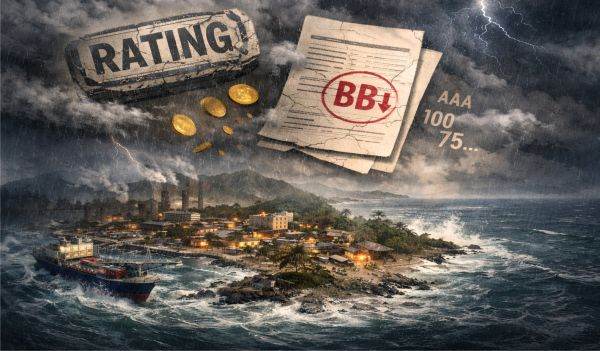
Countries that pollute the least are among the most vulnerable to climate disasters and face the greatest barriers to obtaining the financing they need to protect themselves, and as climate impacts worsen, already high debts, financing costs and weak sovereign ratings could create a "vicious cycle” for developing countries, according to a new Fitch study, Bloomberg reports, Agerpres reports.
Recently, Fitch Ratings published an analysis that suggests that small countries prone to extreme weather events and fossil fuel exporters could face the greatest risks to their sovereign ratings due to climate change in the coming years.
A new analysis tool rates sovereign credit on a 100-point scale, based on both physical risks and "transition risks,” or economic sensitivity to declining fossil fuel use and the high costs of clean technologies. Of the 119 countries analyzed through 2050, 60 had scores high enough to suggest they were at risk of a rating downgrade by 2050, Fitch said. That would make it harder to borrow to finance projects that protect against climate change and accelerate the energy transition. All countries could face some additional costs associated with the clean energy transition and the physical impacts, the report's authors said. "We believe this is consistent with the broad scientific consensus that climate risk is a significant global concern,” Fitch analysts wrote. Several countries, including the Bahamas, Jamaica and the Philippines, face some of the greatest physical risk pressures on their ratings through 2050, according to Fitch's analysis. All three have been hit by devastating cyclones in recent years.
Fitch's new tool "represents an important advance in identifying climate risk factors that ratings agencies monitor,” said June Choi, a doctoral student at Stanford University and author of a separate study on the relationship between extreme weather events and risks to country ratings. Identifying future risks is essential, she said, but it's also important for agencies to spell out what kinds of adaptations are mitigating those risks.
Last month, Choi and her colleagues at Stanford published a preliminary analysis showing a strong association between countries' exposure to tropical storms and the likelihood of a sovereign rating in the junk zone. Although the analysis has not been peer-reviewed, it adds to the growing body of evidence linking climate impacts to sovereign rating risks.

























 Euro
Euro Dolar SUA
 Franc elveţian
 Liră sterlină
 Gram de aur