English


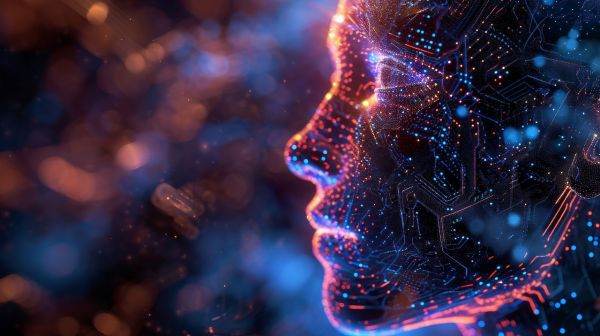
French philosopher Eric Sadin has called for a "moral, political and civilizational struggle” against the development of generative artificial intelligence (AI), underlining the dangers that emerging technologies pose to culture, education and intellectual heritage. His speech was delivered at UNESCO headquarters, three years after the launch of ChatGPT and in the context of the proliferation of generative AI systems, capable of producing texts, images and music without the direct involvement of human creators. "There is a moral, political and civilizational struggle that must be fought for our children and grandchildren,” Sadin, a specialist in new technologies, said, according to AFP. The French philosopher warns that generative AI is "impossible to defend” and that human action must be immediate: "It is up to us to act before things develop, become institutionalized and consolidated, before it is too late to intervene.”
• Risks for culture and education
Sadin warns of major consequences for the cultural and educational world: generative AI could produce an "art without a signer and without a body,” contributing to the disappearance of precious knowledge that constitutes the secular cultural heritage. "There is an urgent need to see the hurricane that is about to hit the world of culture,” the philosopher said. His appeal is aimed primarily at cultural producers, artists and the public, not politicians, whom Sadin accuses of "having given up and only dreaming of investing more than China, the United States and Europe in this race for large-scale linguistic models and other similar technologies.” To counter the effects of generative AI, Sadin proposes adopting a "logic of refusal”. Thus, publishers should include in contracts with authors a clause certifying that the texts were not created with the help of AI, and music platforms should implement technical procedures to verify the human origin of the songs posted. Currently, approximately 30% of online music is said to be generated by artificial intelligence. The philosopher goes even further, suggesting that the public should "unsubscribe en masse” if these measures are not implemented quickly.
The United Nations Educational, Scientific and Cultural Organization (UNESCO) adopted a pioneering text on the ethical use of artificial intelligence in 2021, establishing frameworks for regulating these technologies in various fields, from education to culture and the creative industry. Sadin's speech aligns with these initiatives, highlighting the need for clear rules and a firm commitment from cultural actors. With this position, the French philosopher contributes to the global debate on the role of AI in society, drawing attention to the collective responsibility to protect cultural heritage and maintain human creativity in the face of algorithms that can generate mass content, without discernment or historical context.
























 Euro
Euro Dolar SUA
 Franc elveţian
 Liră sterlină
 Gram de aur