English


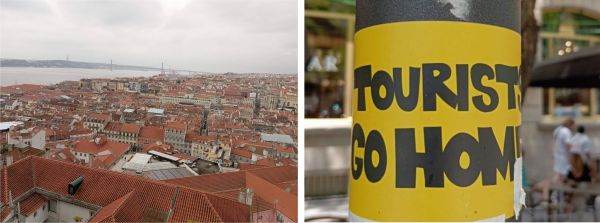
Europe's major cities are undergoing a profound transformation: for more and more residents, urban life is becoming increasingly expensive and difficult. The accelerated growth of rents, the explosion of tourism and the lack of affordable housing have led to a situation in which metropolises once considered ideal for living are becoming almost inaccessible for the middle class. The tension is also felt at street level, being evident on the tourist-local axis. Recent data published by Eurostat in January 2026 show that, between 2025 and 2026, housing costs continued to grow faster than incomes in most European capitals, increasing the pressure on urban households. OECD analyses also confirm that housing affordability remains one of the biggest economic challenges in Europe according to the OECD Housing Outlook, February 2026.
• Rent crisis: the main pressure factor
In many European capitals, rents have increased by double digits in the past year, amid a major imbalance between demand and supply. The main causes identified in recent reports include: high demand for housing in large urban centers; speculative investments in real estate; the transformation of housing into tourist spaces; the continued growth of the urban population. According to a report published by the European Commission in March 2026, in some European cities the rent for a modest apartment exceeds 50% of the average disposable income, a threshold considered critical for the financial sustainability of households.
• Barcelona - the city suffocated by tourism
Barcelona is one of the cities most affected by excessive tourism. The major problems include: the massive conversion of apartments into tourist housing; the accelerated increase in rents; the eviction of residents from central areas. In recent months, local authorities have stepped up controls on short-term rentals and announced new restrictions on Airbnb-like platforms, but pressure remains high, according to municipal data and Spanish media reports, according to the Ajuntament de Barcelona.
• Amsterdam - strict rules, but persistent problems
Amsterdam has introduced some of the toughest measures in Europe to control the real estate market: limits on tourist rentals; restrictions on investors;
strict rules on home purchases. However, a recent report by the Dutch authorities shows that demand remains extremely high and prices continue to rise, mainly due to a housing shortage and demographic pressure, according to the Dutch Ministry of Housing.
• Paris, one of the most expensive real estate markets
Paris remains one of the most expensive real estate markets in the world. The main problems: high prices for both purchase and rental; consistently high demand for central housing; structural shortage of housing. Data published by French authorities in 2026 indicate that more and more residents are being forced to move to the suburbs or other regions due to the high costs of urban living, INSEE reports.
• Lisbon - real estate boom
Lisbon has become a classic example of accelerated gentrification. The main factors:
massive foreign investment in real estate; residency programs for investors;
growth in tourism. The consequences are visible: rapid increase in rents;
eviction of the local population; transformation of the city into a destination dominated by expats and tourists. A report published in March 2026 by Banco de Portugal shows that housing prices have increased significantly above average incomes, accentuating the phenomenon of social exclusion.
• Why is the housing crisis in Europe worsening
Experts point to several structural factors that are fueling this crisis:
Excessive tourism - Airbnb-type platforms reduce the number of homes available for residents (according to European Parliament briefing, February 2026); Real estate investments - homes are increasingly being purchased as financial assets, not for living (OECD, 2026); Accelerated urbanization - migration to cities is constantly increasing the demand for housing (Eurostat, 2026); Insufficient policies - many local governments fail to keep up with market dynamics (European Commission, 2026).
• Effects on residents
The housing crisis has direct consequences on the quality of life: falling living standards; migration to the suburbs; increasing social inequalities; loss of urban identity. In recent months, protests have been reported in several European cities, including Spain and Portugal, where residents are demanding a limit on tourism and rent control. To combat this crisis, some governments have started to implement measures such as: rent caps; taxes for vacant homes; limiting tourist rentals; social housing construction programs.
However, according to a recent report by the European Parliament, the impact of these policies remains limited in the short term, and the real effects depend on their consistent application and large-scale expansion.
• European cities, increasingly difficult to live in
For millions of Europeans, the dream of living in a big city is becoming increasingly difficult to achieve. If current trends continue, the large European metropolises risk becoming spaces accessible only to the very wealthy or to tourists, while the local population is pushed further and further away from urban centers. The housing crisis is no longer an isolated problem, but a systemic one, redefining the very idea of urban life in Europe.

























 Euro
Euro Dolar SUA
 Franc elveţian
 Liră sterlină
 Gram de aur