English

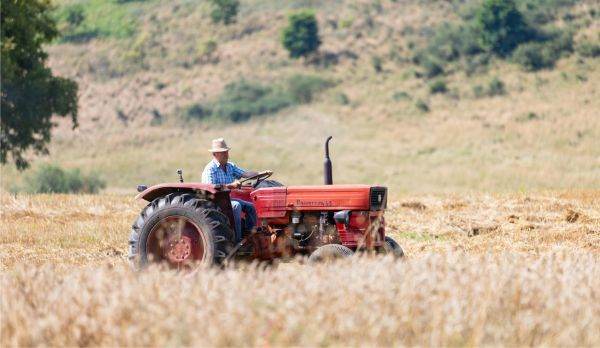
Three quarters of Romanian farmers say they would be willing to receive students from agricultural high schools in practical training, but the lack of staff, time and ignorance of the legal procedures for collaborating with schools keep many away from this step. The conclusion belongs to a study conducted by the Romanian Center for European Policies (CRPE), within the consortium Creştem prin Educaţie Agricolă (CEA). In this context, CEA representatives launch a public appeal to farmers and entrepreneurs in the agri-food sector to actively get involved in training the next generation of professionals, through the "Take Students in Practice" campaign, dedicated to informing and facilitating collaboration between the business environment and agricultural education.
• Students without internships, farms without people
The data from the CRPE research conducted at the end of last year shows a serious gap between school and the labor market: one in three students who are close to graduating from an agricultural high school or vocational school in Romania did not complete a single internship at a specialized economic agent during their studies.
Paradoxically, this reality coexists with an acute labor force crisis in agriculture. According to another CRPE study, conducted in 2025, over half of farmers say they are facing a lack of qualified and unqualified personnel. Although most would like to organize internships for students, very few know the steps necessary to collaborate with agricultural high schools or have ever contacted them. The CRPE analysis identifies the main reasons why economic agents in agriculture avoid organizing internships. Almost half of the farmers (47%) cite the lack of time needed to deal with students, 37% say they do not have enough staff to fulfill the role of internship tutors, and 27% believe that their own employees are not well enough trained to transmit knowledge and evaluate students. Of the 777 companies participating in the study, only a quarter say they have had interactions with an agricultural high school so far. However, 75% of the respondents say they are interested in future collaborations, which indicates a significant potential that is still untapped.
• What farmers can offer students
The study shows that, despite the difficulties, many companies can provide concrete support to students in internships. 57% of farmers say they can provide work equipment and learning materials, a third can provide meals, a quarter can cover transportation, and 20% can offer a scholarship or some form of remuneration. Less than 10% of the companies could offer accommodation.
To facilitate these collaborations, CRPE has developed a practice guide and a simplified registration procedure in a dynamic database, accessible to agricultural high schools through the platform www.educatieagricola.ro
• A favorable moment for agricultural education
CRPE representatives emphasize that agricultural education is in one of the best moments in recent years. There are 59 agricultural high schools nationwide, and data from the Ministry of Agriculture and Rural Development show a 10% increase in the number of graduates in the last five years. At the end of the 2024-2025 school year, out of the 4,234 graduates of agricultural high schools and post-secondary schools, over a quarter have engaged in agriculture or related fields. Another 1,300 people were employed outside the sector, 835 continued their university studies, and less than 15% were unemployed - a percentage significantly below the national average, which, according to Eurostat, was around 25% in 2023.
In an international context marked by the rapid development of artificial intelligence, the demand for technical and professional jobs remains high. Agricultural specialists, machinery operators, maintenance engineers or professional drivers are increasingly sought after, and several European countries have announced massive investments in apprenticeship and practical training programs. CRPE data confirm these trends and show that the professional insertion of agricultural high school graduates is on an increasing trend. Even though 39% of students initially arrive at these high schools due to a lack of alternatives, the majority declare themselves, at the end of their studies, to be "quite satisfied" or "very satisfied". However, the report draws attention to a major gap between school equipment and the technological standards required by the market, an obstacle that can only be overcome through real partnerships with the business environment.

























 Euro
Euro Dolar SUA
 Franc elveţian
 Liră sterlină
 Gram de aur