English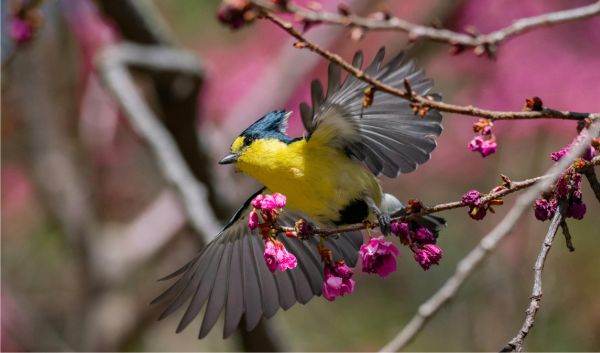
Birds around the world, already affected by climate change and intensive agriculture, are facing an additional threat: noise produced by human activities. Road traffic, construction sites and other sources of noise pollution deeply disrupt the lives of these species, shows a large study published in the scientific journal Proceedings B of the Royal Society and cited by AFP. The research emphasizes that the impact of noise is not marginal, but affects behaviors essential for survival, including reproduction and communication.
A team of researchers from the United States has carried out a meta-analysis that brought together numerous previous studies on the effects of sound disturbances on birds. The analysis targeted 160 species from six continents, providing one of the most comprehensive images of the phenomenon. The conclusions are clear: human-made noise significantly affects both the behavior and physiology of birds, generating significant negative effects on reproductive success.
• Communication, the key to survival, is blocked by noise
Birds depend crucially on sound for vital activities - from attracting mates to warning of danger. According to researcher Natalie Madden, from the University of Michigan and the organization Defenders of Wildlife, background noise directly interferes with these mechanisms: "Birds are extremely dependent on acoustic information. If the environment is dominated by noise, they can no longer perceive signals from their own species.” As a result, the entire reproductive cycle can be affected: from mating and egg survival to the development and flight of young.
• Impact varies by habitat and species
The effects of noise pollution vary depending on the living conditions of birds. The study shows that: birds that nest in cavities are more vulnerable than those with open nests; urban species have higher levels of stress hormones; adaptation to noise is limited and differs between species. These differences suggest that noise pollution contributes to ecological imbalances and may accelerate the decline of some populations. Data from the International Union for Conservation of Nature (IUCN) shows an alarming trend: in 2024, about 61% of the world's bird species were in decline, compared to 44% in 2016. The main causes remain habitat loss and intensive agriculture, but noise pollution is increasingly being identified as an aggravating factor. In Europe, research shows that the intensification of agriculture has led to the disappearance of about 20 million birds annually, which means about 800 million fewer specimens than in 1980.
• Noise pollution, a problem with possible solutions
Unlike other threats to biodiversity, noise is considered a factor that is easier to manage. According to researcher Neil Carter of the University of Michigan, reducing the impact is possible through measures such as using sound-absorbing building materials or designing infrastructure with acoustic protection. This perspective provides an important argument for integrating noise pollution control into conservation policies.


























 Euro
Euro Dolar SUA
 Franc elveţian
 Liră sterlină
 Gram de aur