English
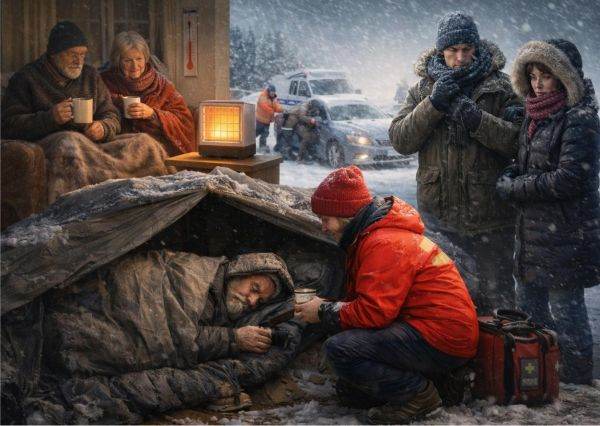
The Ministry of Health has sent a set of recommendations addressed to the population, in the context of periods of extremely low temperatures, emphasizing the need to limit exposure to the cold and to comply with preventive measures to avoid illnesses and accidents caused by the cold. Health authorities draw attention to the fact that severe cold can have serious effects on health, especially among vulnerable people. According to the ministry, the population is advised to listen to the recommendations of doctors, to avoid traveling in open spaces when they are not absolutely necessary and to pay increased attention to nutrition and personal hygiene. The Ministry of Health recommends limiting outdoor travel and prolonged exposure to low temperatures, especially of the extremities - hands and feet - to prevent frostbite. In this regard, wearing appropriate clothing for the cold season is essential. "Wear warm clothes, hats, gloves, a scarf and appropriate footwear; avoid moisture," reads a statement sent by the Ministry of Health. Specialists point out that moisture accentuates the feeling of cold and increases the risk of hypothermia. Authorities also recommend avoiding long journeys in vehicles that are not properly heated and warn of the danger posed by prolonged standing in the cold, including short journeys.
• Diet, hygiene and home safety
During cold weather, nutrition plays an important role in maintaining the body's resistance. The Ministry of Health recommends consuming foods rich in protein, fruits and vegetables, which can help strengthen the immune system. At the same time, the population is advised to avoid alcohol consumption, as it creates a false feeling of warmth and increases the risk of hypothermia. Compliance with hygiene rules remains a basic measure for preventing seasonal illnesses. Frequent hand washing with soap and water is recommended, especially in the context of the circulation of respiratory viruses. Another important aspect concerns home safety. The Ministry warns of the risk of carbon monoxide poisoning and recommends proper heating of living spaces, without the use of improvised or unsafe installations.
• Increased attention for vulnerable people
Health authorities draw attention to the fact that elderly people, especially those suffering from heart or respiratory diseases, should avoid unnecessary travel and crowded places. Children should not be left unattended in parked cars, even for short periods of time, due to the rapid risk of hypothermia.
At the same time, the Ministry of Health recommends avoiding prolonged exposure to the cold for all categories of the population and adopting protective measures adapted to weather conditions.
• Health system on alert
The Ministry of Health announces that it is permanently monitoring the situation in the field, through the public health departments, to ensure that health units are prepared to manage an increased number of patients. Hospitals must be able to quickly receive, triage and admit cases requiring medical care. At the same time, the county ambulance services will supplement, if necessary, the number of crews and emergency vehicles, to cope with the demands of periods of extreme cold. The health authorities remind that compliance with these recommendations can prevent medical complications and reduce the pressure on the health system in severe weather conditions.

















 Euro
Euro Dolar SUA
 Franc elveţian
 Liră sterlină
 Gram de aur