English

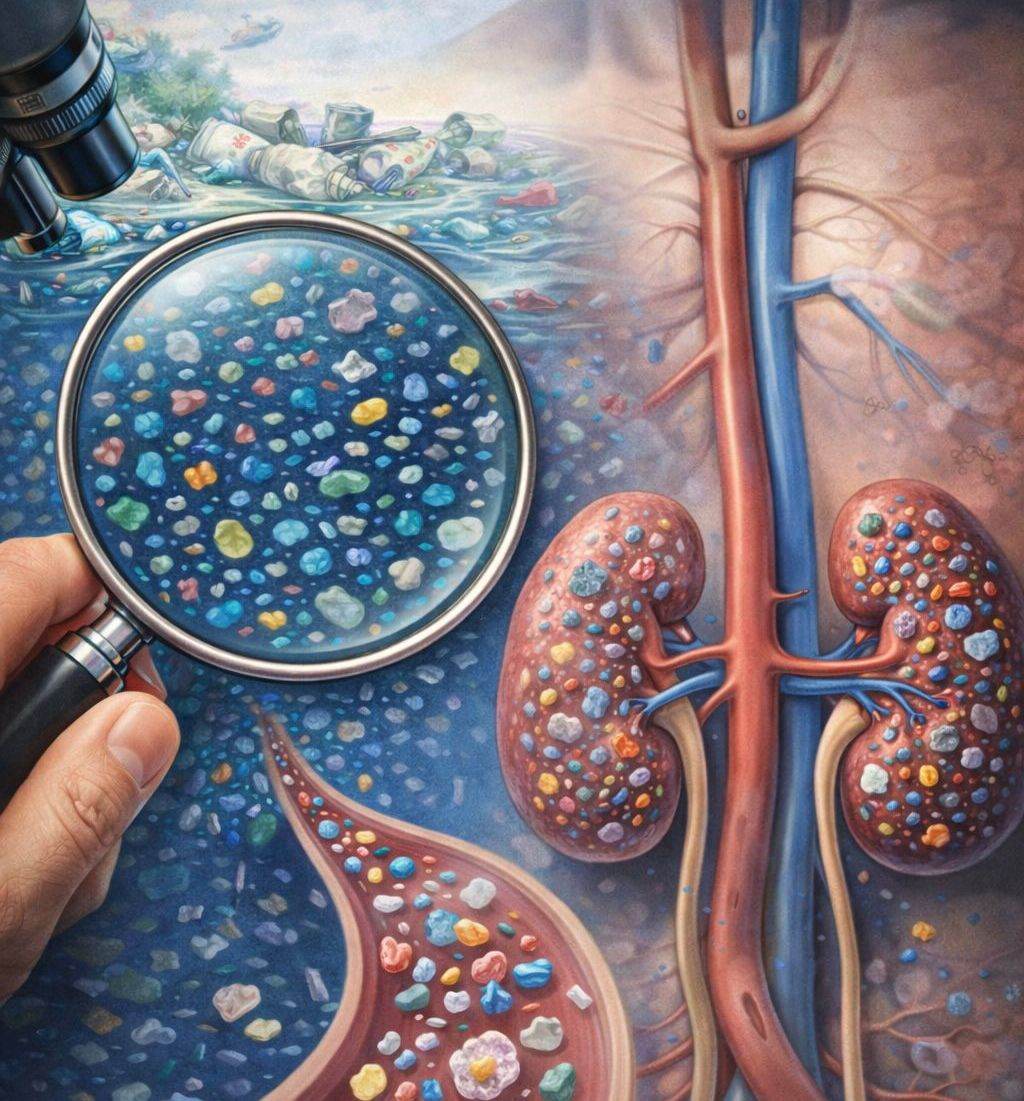
Nanoplastics, invisible particles resulting from the degradation of plastic, could have a more serious impact on human health than previously thought. A new study conducted in Australia warns that high exposure to these tiny particles can affect the health and function of kidney cells, raising questions about the long-term consequences of plastic pollution on the human body. The research was coordinated by a team from Flinders University in Adelaide and published in the international journal Cell Biology and Toxicology, reports Xinhua.
According to the researchers, the study aimed to determine whether nanoplastics can accumulate in the kidneys or whether they can cause damage to this vital organ, responsible for filtering the blood and eliminating toxins from the body. The results show that exposure to low concentrations of nanoplastics - particles with a diameter of less than one micron - does not produce significant immediate toxic effects on kidney cells, at least in the short term. In contrast, high concentrations have been associated with alterations in overall cell health and function, including changes in shape, decreased cell survival, and disruption of internal regulatory mechanisms.
• It's not just the amount that matters, but also the type of plastic
The researchers emphasize that the impact of nanoplastics is not solely determined by the level of exposure. The chemical composition of the polymers and particle size also play a key role. "The effects observed are influenced not only by concentration, but also by polymer composition and particle size, with some combinations inducing significant cellular changes even at relatively low doses,” explained Hayden Gillings, a PhD student in nanoplastics and health at Flinders University and lead researcher on the study.
• Risk of accumulation and deterioration of kidney function
The authors warn that repeated or sustained exposure to nanoplastics could have serious consequences for kidney function. Persistent damage to kidney cells could reduce the efficiency of filtration processes, impair the body's ability to eliminate waste, and promote the accumulation of nanoplastics in kidney tissue. This potential accumulation raises concerns about broader systemic effects that go beyond kidney health.
The study highlights the need for expanded research to fully assess the risks associated with nanoplastics. Among the issues that need to be investigated are potential DNA damage and the long-term functional consequences of chronic exposure. The researchers point out that nanoplastics represent a poorly understood form of pollution with a potential major impact on human health.
• Plastic pollution, an invisible global threat
Amid the accelerated growth of plastic waste globally, plastic fragments end up breaking down in soil, water, and air, generating microplastics and nanoplastics that enter the food chain and living organisms. Scientists warn that this pervasive pollution threatens all forms of life and call for stronger measures to limit the production and accumulation of plastic in the environment.




















 Euro
Euro Dolar SUA
 Franc elveţian
 Liră sterlină
 Gram de aur