English

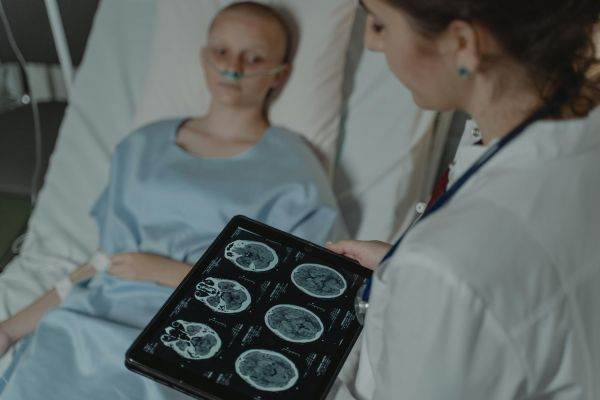
Almost 40% of cancer cases diagnosed globally in 2022 were associated with risk factors that could have been prevented, according to a large analysis published in the journal Nature Medicine. The study provides, for the first time, a detailed global picture of the share of cancers generated by avoidable causes and highlights the essential role of prevention policies in reducing the burden of this disease.
Tobacco, alcohol and infections - the main risk factors
The analysis was coordinated by Isabelle Soerjomataram, a researcher at the International Agency for Research on Cancer (IARC) in Lyon, and showed that smoking, alcohol consumption and infections are the most common preventable factors associated with the occurrence of cancer. According to the research, approximately 30% of cancers diagnosed in women and 45% of those detected in men could have been avoided. Of the 18.7 million new cancer cases recorded worldwide in 2022, nearly 7 million - equivalent to 38% - are attributed to preventable causes. Researchers correlated global cancer incidence data with risk factors that have a scientifically proven causal link to the disease. The study included both individual behaviors, such as smoking, and exposure to environmental and occupational factors.
• Significant regional differences
Risk patterns differ significantly by region and sex. In sub-Saharan Africa, about 38% of cancer cases among women could have been prevented, compared with about 25% in North Africa and West Asia. In these regions, infections are the main preventable cause. In contrast, in Europe, the United States, Canada and Australia, tobacco is the dominant risk factor, responsible for the majority of avoidable cancers. Andre Ilbawi, a co-author of the study and an expert at the World Health Organization (WHO), said the analysis provides the "first global estimate” of the proportion of cancers caused by preventable factors. He said identifying regional patterns could help governments adopt targeted policies to reduce the risk of disease.
Isabelle Soerjomataram points out that addressing preventable causes remains one of the most effective strategies for reducing the impact of cancer worldwide. According to WHO estimates, the number of cancer cases could increase by up to 50% by 2040 if current trends continue.
• Ultra-processed foods pose additional risk to cancer patients
Another study, published in the journal Cancer Epidemiology, Biomarkers & Prevention of the American Association for Cancer Research, indicates that people diagnosed with cancer who consume large amounts of ultra-processed foods have an almost 60% higher risk of death, compared to those who follow a more balanced diet. The research, conducted between 2005 and 2022, included more than 24,000 people over the age of 35, from the Molise region in southern Italy. Ultra-processed foods include ice cream, processed meats, chips, industrially produced bread, some breakfast cereals, biscuits, convenience foods and carbonated drinks. Specialists warn that these products usually contain high amounts of saturated fat, salt, sugar and additives, thus reducing the intake of foods rich in essential nutrients.























 Euro
Euro Dolar SUA
 Franc elveţian
 Liră sterlină
 Gram de aur