English


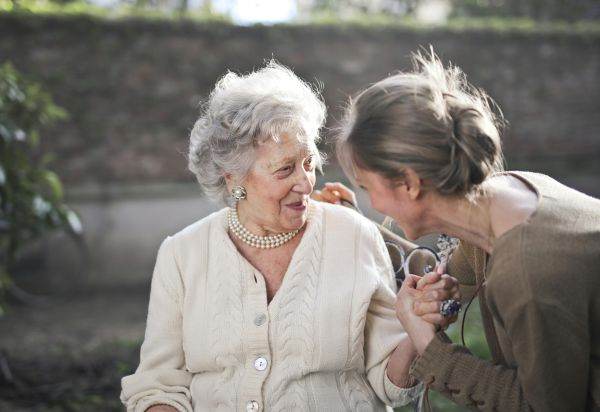
The social life of older people is influenced much more by life experiences than by genetic inheritance, and maintaining connections with friends, neighbors and the community can significantly reduce the risk of depression. The conclusion comes from a new study of twins, published in the British Journal of Psychiatry and cited by Xinhua. The research provides strong arguments for the idea that social isolation in old age is not a "biological fate", but a phenomenon that can be prevented or corrected through well-targeted public policies and community initiatives.
The study was conducted by the Centre for Healthy Brain Ageing (CHeBA) at the University of New South Wales, Australia, and analyzed data from more than 560 twins aged 65 and over, followed over a six-year period. The aim of the research was to understand the extent to which social relationships - friendships, family ties and participation in community life - influence mental and cognitive health in old age. The results show that these relationships are very little influenced by genetics, being mostly shaped by environmental factors and individual life experiences.
• Social connections can be changed and cultivated
"Since social connections are not significantly determined by genes, they are modifiable to a considerable extent,” explained Suraj Samtani, a social health expert at CHeBA and the lead author of the study. This finding has direct implications for public policy, the researchers emphasize. Programs that encourage social participation among older adults, from community clubs and volunteering to simple neighborhood initiatives, can have a real impact on the mental health of this population.
Analysis of the data showed that older adults who interacted more frequently with friends, neighbors and other community members had fewer symptoms of depression, both at the start of the study and after six years. The researchers used data from the Australian Twin Study of Aging, one of the largest aging research projects conducted in Australia. Comparing twins, who share the same genetic background and similar early environments, allows for the clear identification of factors related to personal experiences and life choices. "Twins help us see what makes the real difference between individuals,” the authors emphasize, indicating that the uniqueness of social paths is a key element for mental health in old age.





















 Euro
Euro Dolar SUA
 Franc elveţian
 Liră sterlină
 Gram de aur