English
The European Union's response to the defragmentation triggered by Washington is much broader and more systemic than simply signing trade agreements. In January 2026, the EU is not only "filling the gaps” left by the US, but is rebuilding its entire power architecture on three additional levels: global governance, defence and domestic industrial resilience.
Here is a detailed analysis of these reactions:
• 1. The EU as a "Rules Hegemon” in international organisations
As the US withdrew from multilateral fora, the EU adopted the strategy of becoming the main financier and normative leader, preventing their total takeover by China.
- WTO (World Trade Organisation): The EU led efforts for an interim appeal mechanism (IAM) after the US blocked the WTO tribunal, maintaining a functioning rules system for the rest of the world.
- WHO and the Paris Agreement: The EU has become the largest financial contributor to WHO programs and has taken the technical lead in decarbonization standards (through the CBAM mechanism), forcing global partners to adopt European norms if they want to continue to have access to the single market, as shown by European Parliament data.
• 2. Defense Policy: From the "NATO umbrella" to the "European Pillar"
The fragmentation of security under the pressure of "America First" has forced the EU to accelerate military integration.
- PESCO and EDF (European Defense Fund): The defense budget at EU level has increased massively. The emphasis is on "capability autonomy”, i.e. the development of weapons systems (FCAS fighter jet, European tank) that no longer depend on American components or licenses that can be blocked by export controls, shows the EDA
• 3. Economic measures at the level of the member states: "The Strategic State”
At the level of the member states (especially Germany and France), we are witnessing a return to active industrial policy, opposed to the neoliberalism of the past.
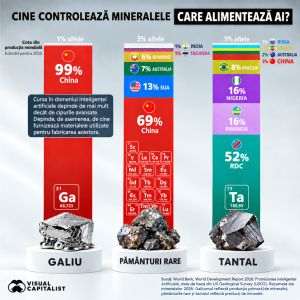
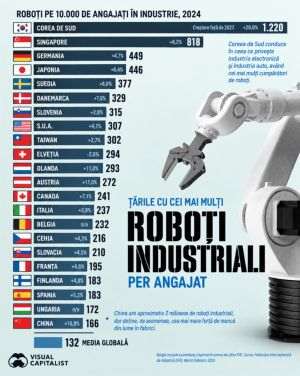
- IPCEI (Important Projects of Common European Interest): Member states are pumping massive subsidies into batteries, hydrogen and semiconductors. The aim is to create European champions that can compete with the subsidized giants of China and the USA.
- Data accuracy: The "Made in Europe 2030” strategy has become priority zero for the European Council, being the direct response to the Inflation Reduction Act in the USA, according to the European Council.
• Low GG, Divergent Interest Rates: The Structural Cost of European Sovereignty
The GG (Degree of Globalization) indicator measures the depth of economic and regulatory integration worldwide. Over the past three decades, a high GG has guaranteed efficiency through specialization and allowed interest rate convergence, as risk and capital were freely allocated on a planetary scale.
The data from January 2026 confirms not only the collapse of the global GDP, but also the crystallization of a new European economic architecture, defined by "strategic resilience” at the expense of "neoliberal efficiency”. The EU's reaction is not an attempt to reverse fragmentation, but to build a "Fortress Europe” with a self-managed, but necessarily low GDP.
This tectonic shift has a direct and structural impact on the cost of capital and, implicitly, on interest rates.

















 Euro
Euro Dolar SUA
 Franc elveţian
 Liră sterlină
 Gram de aur