 English

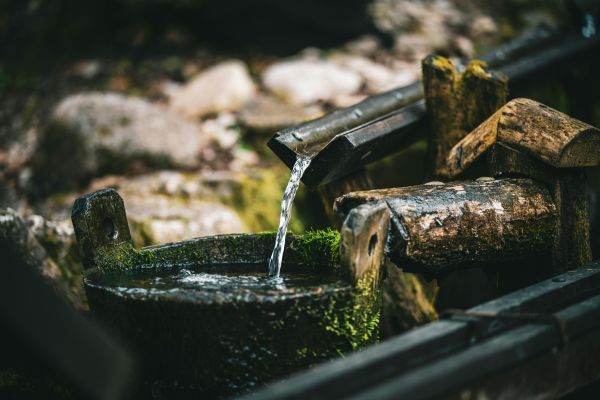
After decades of overexploitation, pollution and constant climate pressures, the planet has entered a new critical stage in the management of water resources: "global water bankruptcy". Water quantities in rivers, lakes and aquifers are depleting at a faster rate than nature's ability to replenish them, shows a recent report by the United Nations, cited by AFP. According to UN researchers, established concepts such as "water stress" or "water crisis" no longer reflect the seriousness of the current situation. "These terms were formulated as warnings for a still avoidable future. In the meantime, the world has entered a new phase," says the report by the United Nations University Institute for Water, Environment and Health.
To describe the new reality, the report's authors propose the term "water bankruptcy,” defined as a situation in which long-term water consumption exceeds the capacity of resources to regenerate and causes such severe damage to ecosystems that previous levels can no longer be restored within a reasonable time frame. This degradation is already manifesting itself in the accelerated retreat of large lakes, but also in the increase in the number of major rivers that, at certain times of the year, no longer flow into the sea. Wetlands, essential for biodiversity and the regulation of the water cycle, are disappearing at an alarming rate. Approximately 410 million hectares - an area comparable to that of the European Union - have been lost globally in the last 50 years.
• Depleting groundwater and cities on the verge of "Day Zero”
Another indicator of water bankruptcy is the state of underground reserves. About 70% of the main aquifers used for drinking water and irrigation are in long-term structural decline. At the same time, "Day Zero” crises - when water demand completely exceeds available resources - are becoming more frequent. In such situations, authorities are forced to turn off the taps and introduce drastic consumption rationing, especially in large cities.
• Climate change accelerates collapse
Climate change is amplifying these pressures, the UN warns. Since the early 1970s, the planet has lost more than 30% of the world's ice mass, and the decline in seasonal snowpack is directly affecting the water sources on which hundreds of millions of people depend. "The consequences are visible on every inhabited continent, even if not all countries are facing severe water shortages individually," Kaveh Madani, an environmental scientist and one of the authors of the report, told AFP. Madani warns that many water systems have already entered a state of bankruptcy and that a radical overhaul of public policies on water management is needed. "Let us recognize this harsh reality now, before we cause irreversible damage," he stressed. The report, based on existing data and a version assessed through peer-reviewed procedures, sends a harsh and unequivocal message. "The global water crisis has reached a point of no return," said Tim Wainwright, director general of the non-governmental organization WaterAid.
• Reservations from some researchers
While the report was hailed by some in the scientific community for bringing water issues to the forefront of the global debate, some researchers who were not involved in its development warn that the situation varies considerably from one region to another. They argue that a global label such as "water bankruptcy” risks overshadowing local progress made in certain areas through effective conservation policies and sustainable management of water resources.

























 Euro
Euro Dolar SUA
 Franc elveţian
 Liră sterlină
 Gram de aur































1. fără titlu
(message sent by anonim on 22.01.2026, 00:25)
Whaaat ??!!
They said Calin Georgescu was right ???
Wooow. !!!