 English

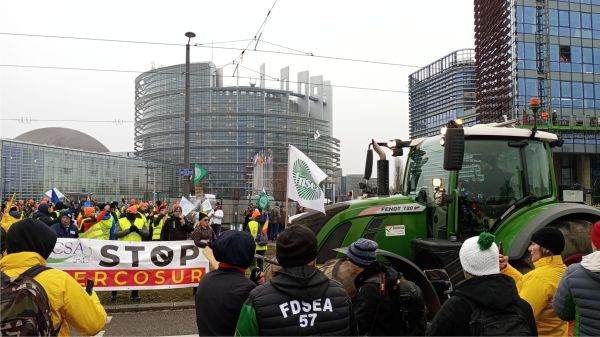
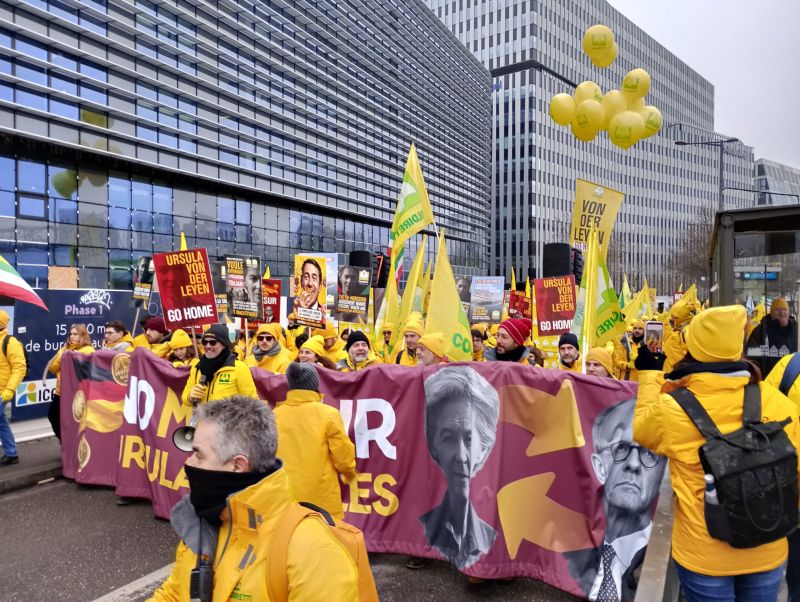
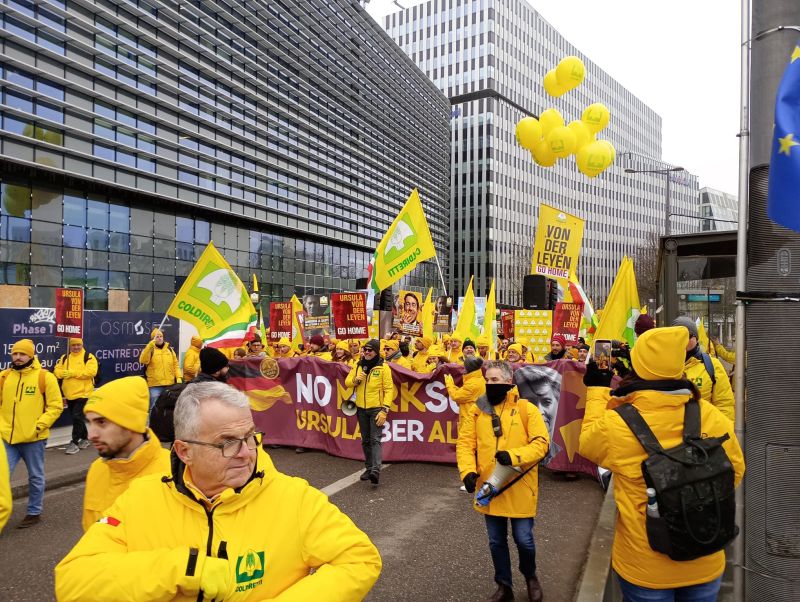
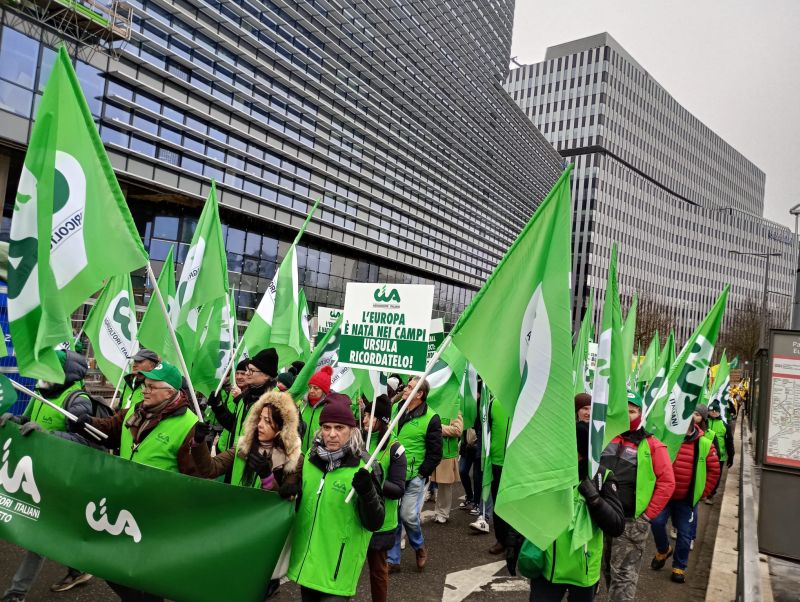
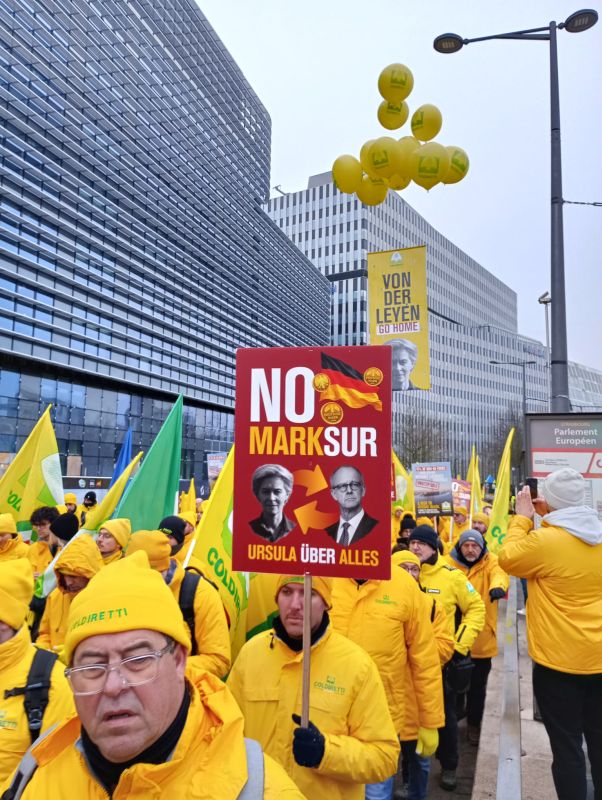
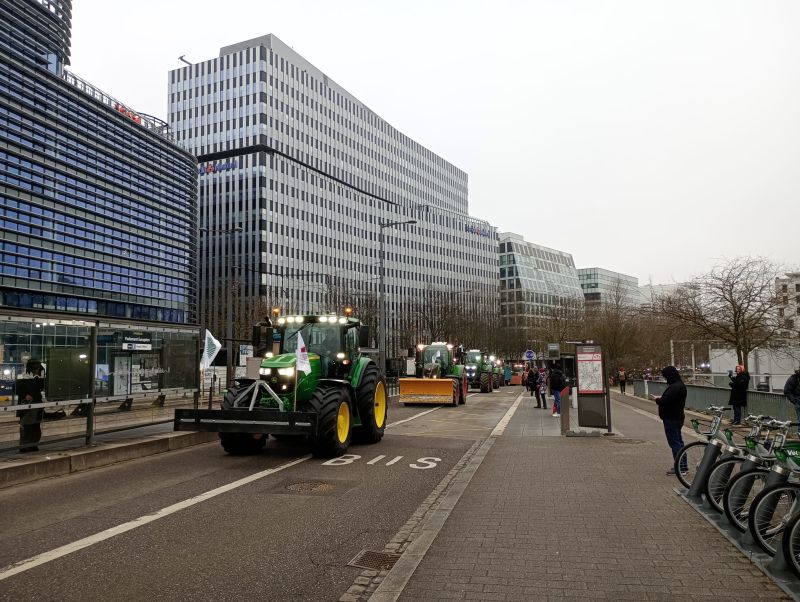
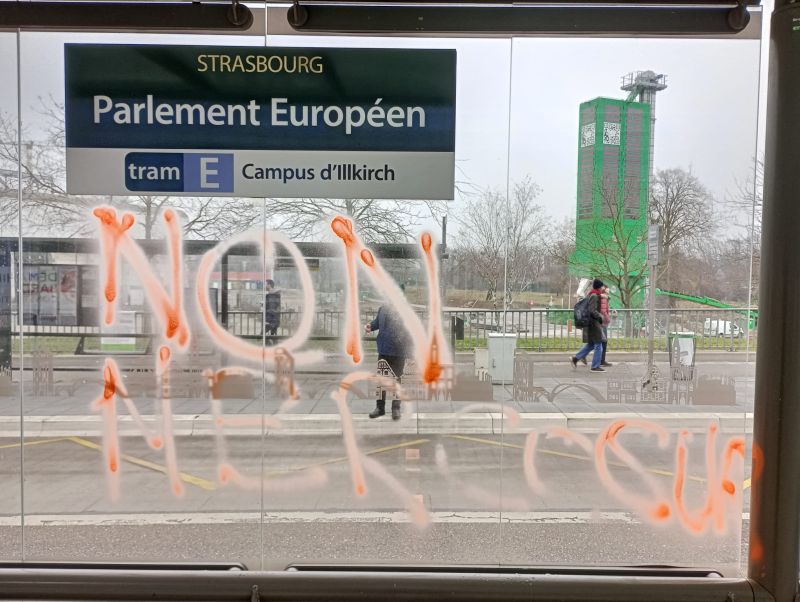
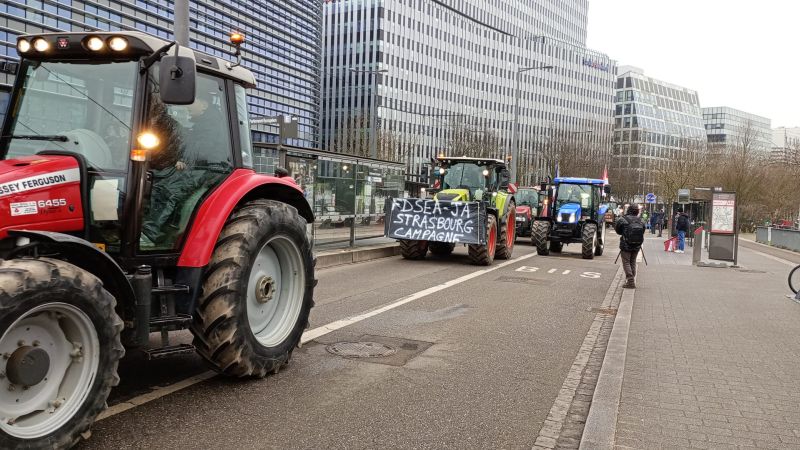
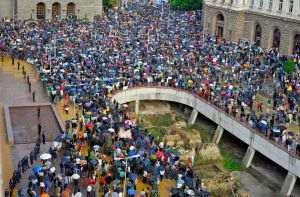
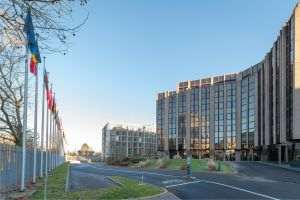
No protest is the same, or Strasbourg is not Brussels. At least that's what can be said after more than 5,000 farmers from France, Spain, Italy, Poland, Hungary, Germany, Bulgaria, Belgium and Romania protested in front of the European Parliament in Strasbourg yesterday to express their dissatisfaction with the trade agreement between the European Union and Mercosur. The farmers said the deal would bankrupt European agriculture because the European Commission and member states lack the tools to monitor products from the Mercosur area entering the European Union, which do not comply with the requirements for fertilizers used or other constraints faced by producers on the old continent.
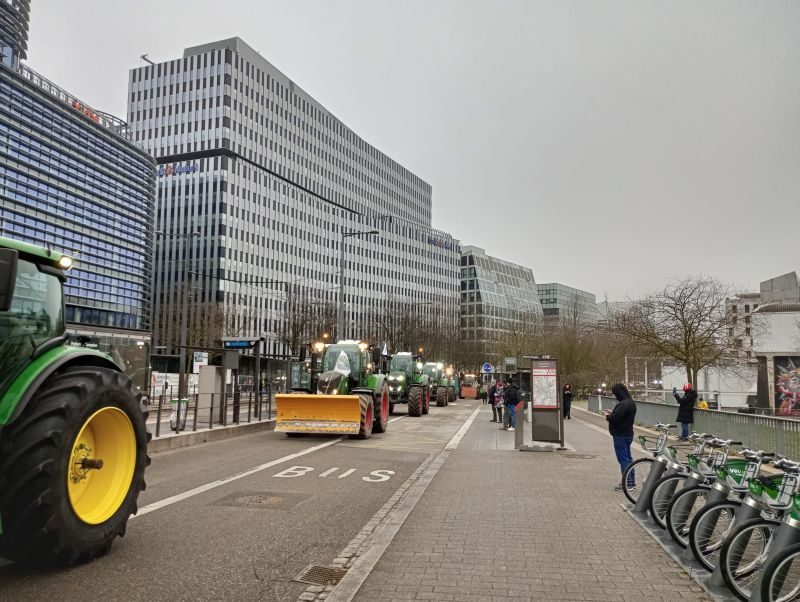
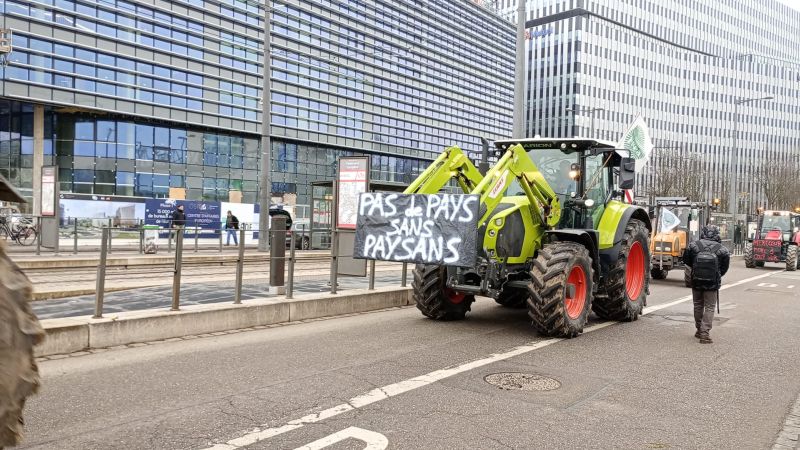
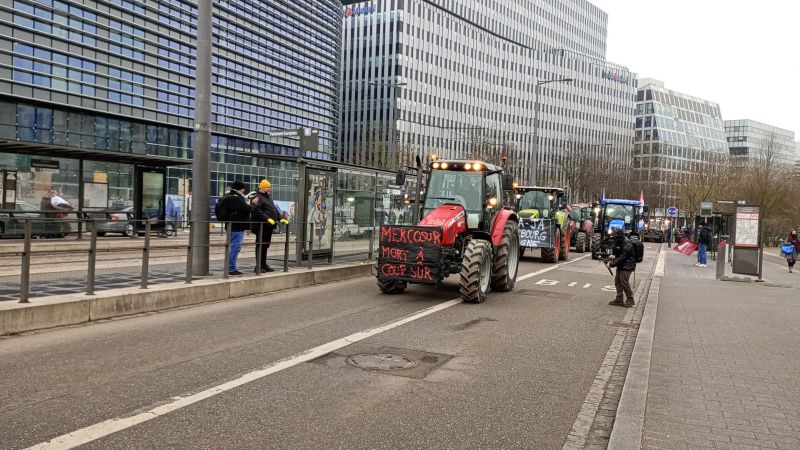
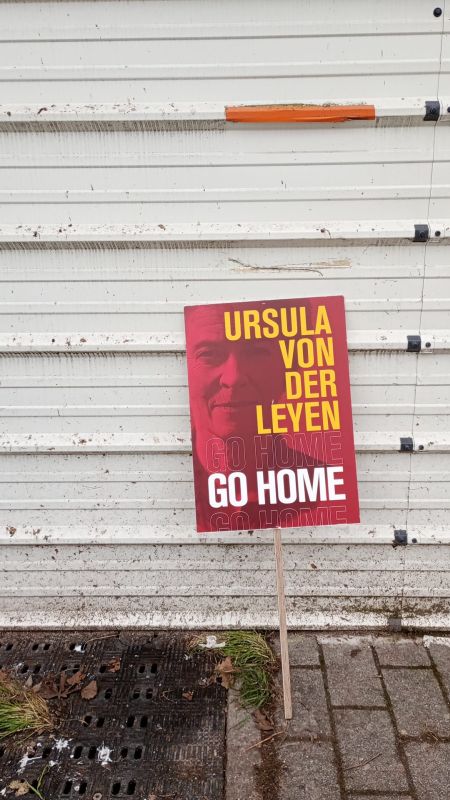
The participants in the protest that began yesterday and will continue today - we note that the European Parliament is expected to decide today whether to refer the agreement with Mercosur to the Court of Justice of the European Union to verify whether it complies with the EU treaties in force - have called for the resignation of Ursula von der Leyen, because the President of the European Commission signed the agreement last Saturday in Paraguay. The farmers' leaders claimed that the implementation of the agreement in its current form would lead to the bankruptcy of European farmers, food insecurity and the depopulation of villages. To make their presence felt, in addition to the megaphones and speakers used in front of the European Parliament, the protesters lit several smoke bombs and constantly threw firecrackers, accompanied by around 750 tractors, which paraded on the Dresda avenue, blocking traffic in the entire area around the institution in Strasbourg.
However, Strasbourg did not witness the serious incidents of last fall in Brussels, when tons of manure were thrown at the police, when the European Parliament was attacked with eggs and "washed” with tons of milk, or when farmers unloaded trucks of potatoes in front of the same building. The protest in Strasbourg held yesterday did not record any serious incidents with the Police, as of the time of sending this article.
• Ionel Arion, President of Pro Agro: "Safeguard measures cannot be implemented”
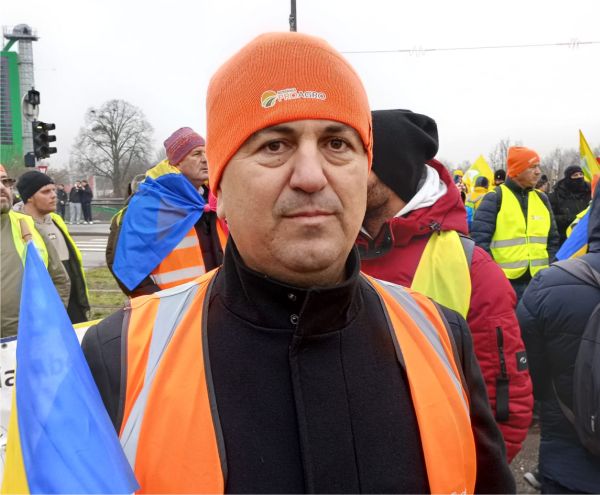
Approximately 200 Romanian farmers, members of the National Federation of Pro Agro and LAPAR, also participated in yesterday's protest, who stated that, in principle, they are not against the EU-Mercosur free trade agreement. However, they believe that at this moment the European and national institutions do not benefit from the necessary mechanisms to monitor the way in which this agreement will be implemented, which represents a high risk of entry into the European single market of non-compliant products that are cheaper than those of EU farmers, which will lead to losses for farmers on the old continent.
Ionel Arion, president of Pro Agro, told us: "We are not against the agreement with Mercosur. We are not against trade treaties, we want this agreement, but what we certainly do not want to happen is that farms in Romania are not put in danger; farms throughout the European Union are not put in danger. Because we have noticed this: although we are being offered, sold «safeguard measures», measures to try to prevent unfair competition, unfortunately, they cannot be implemented. We have noticed and analyzed this very well in recent times. There are no mechanisms at the level of the European Union, at the level of the European Commission that can be imposed in practice to block the disappearance of our farms. Most likely, the agreement will complete all its steps to be ratified. After it passes the European Parliament, perhaps by the end of the year, the national parliaments will ratify this trade treaty. But if we think that safeguard measures can be implemented, most likely our farms at that time will no longer exist. That is why we are trying to sensitize the Parliament and the European Commission to rethink this entire implementation strategy on the agricultural side of the treaty. We do not want to be against it. I repeat, the Romanian state has chosen to transact agriculture without taking into account what the demands of farmers in Romania mean. The poultry industry is in danger today because it is already being pressured to reduce retail prices. Most likely, dairy farms will follow, beef farms will follow and the entire food industry will be on the verge of closing many of its facilities”.
The Pro Agro leader told us that many farmers in our country would have liked to participate in this protest, but it was difficult to find several charter planes to travel to Strasbourg, so they limited themselves to renting a single aircraft.
• Diana Şoşoacă and Peter Magyar, in pursuit of electoral capital, among farmers
Member of Pro-Agro, farmer Victor Chivu from Teleorman told us that he came to Strasbourg to force MEPs not to vote on the EU-Mercosur agreement.
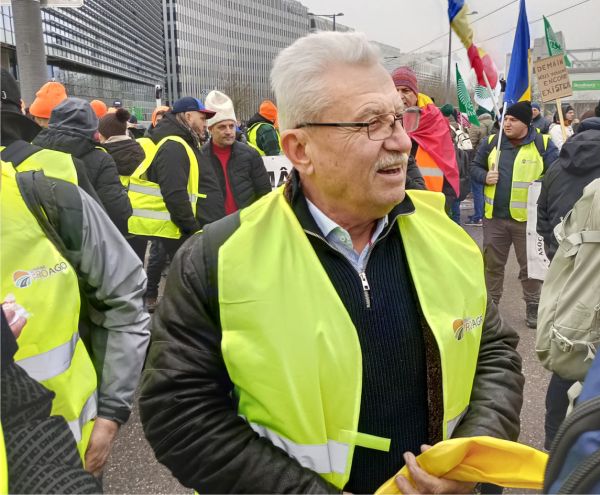
Victor Chivu told us: "First of all, we are dissatisfied with the fact that we raise animals, but not in a tied housing system. Think about the fact that in Argentina meat is sold at a very low price, because their costs are minimal. While they also produce 1000-2000 liters of milk per year, in our 35-year agriculture, the average is somewhere around 200-300 liters of milk, especially in mountainous areas. Think about how low their costs are compared to how high our costs are. When they sell their meat in Argentina and we cannot sell ours, there should be a high degree of protection for our farmers. Each state must make a decision. If it were up to Brussels, we would no longer eat either pigs or pigs.”
We note that when the Romanian farmers arrived in front of the European Parliament, MEP Diana Ivanovici-Şoşoacă went to talk to them, who did not miss the opportunity to go live on her Facebook page to broadcast the protest, the fact that she is the only Romanian MEP among the farmers and that she is discussing with them the problems raised by the EU-Mercosur agreement.
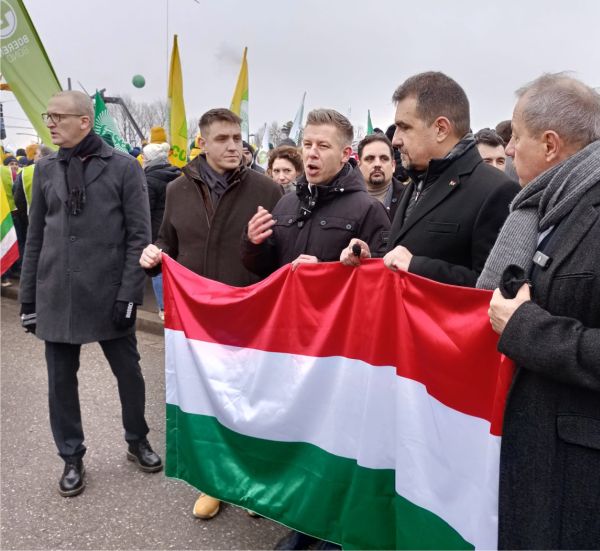
Another unusual presence among the protesters, when they arrived in front of the European Parliament, was that of the leader of the political opposition in Hungary, Peter Magyar, who took advantage of the opportunity - in view of the upcoming parliamentary elections - to show that farmers in the neighboring country are facing problems due to the policy pursued by the government led by Prime Minister Viktor Orban.
The protest continues today, until 4 p.m. local time, as provided for in the authorization obtained by the French organizers of the event. Delegations of over a thousand farmers from Italy and Belgium will be absent from today's protest, as will the 200 Romanian farmers who returned to the country last night.
• Daniel Buda: I have proposed that the European Parliament monitor the implementation of the agreement
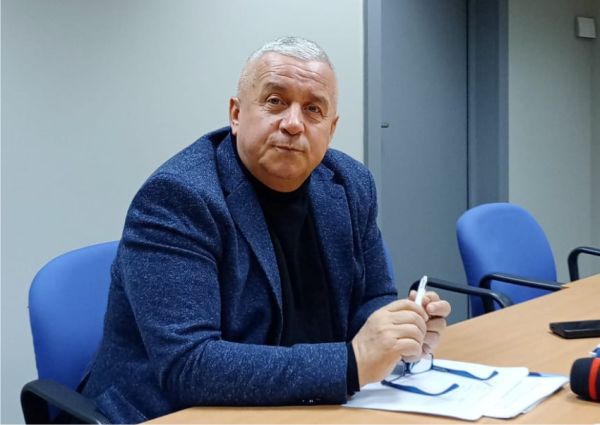
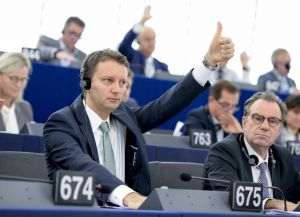
MEP Daniel Buda, vice-chair of the European Parliament's AGRI committee, said yesterday that he understands the concerns of farmers, but noted that the EU-Mercosur trade agreement contains safeguard clauses that leave no room for interpretation.
Daniel Buda stated: "Therefore, I firmly reject the dissemination in the public space of alarmist issues regarding the fall in prices and the impact on farmers. I have also provided one billion euros for compensation to farmers affected by imports. At the same time, products containing pesticides, growth hormones or other substances prohibited in the European Union will not be able to be imported. Then, farms that will export from Mercosur to the EU will be licensed by the European authorities. Not just any farmer from Mercosur will be able to export to the EU, but only those that comply with traceability indicators. As for checks within the EU, the import of Mercosur products will only be carried out by companies licensed for this type of import, which assume all the respective obligations. Furthermore, I have proposed the establishment of a committee in the European Parliament to monitor the implementation of the agreement and which agri-food products come from the Mercosur area.”
He also said that the agricultural part of the EU-Mercosur trade agreement represents only 5% of the total agreement and, to dispel suspicions about imports, he gave the example of beef. Daniel Buda said that at the moment the EU imports 206,000 tons of beef from Mercosur annually, and the quantity that will be imported at a reduced tariff following the agreement will be 99,000 tons in the next five years, i.e. 19,800 tons per year.
• Clashes between farmers and police
The police in Strasbourg used tear gas several times to disperse some of the farmers who became more recalcitrant during the afternoon. Things also deteriorated when some protest participants threw smoke grenades at the police and gendarmes blocking the entrance to the European Parliament. For this reason, in order to complete their mission, the police were forced to react on several occasions, using tear gas. The intervention of the police was contested by some farmers from other EU member states.











 Euro
Euro Dolar SUA
 Franc elveţian
 Liră sterlină
 Gram de aur





























