English


Donald Trump's speech combines real facts with selective presentations and optimistic extrapolations. The U.S. economy has indeed experienced strong quarters, and growth in 2025 exceeded the expectations of many analysts. However, there is no evidence that the U.S. is experiencing a sustained "historic boom,” as suggested by political rhetoric.
- Economic growth is solid, but independent estimates (IMF, OECD) point to a much more moderate pace for 2026, around 2-2.5%, not a long-term explosion of 4-5%;
- Inflation has declined, but it has not been "defeated”: relevant indicators remain above the official target, and the very low figures cited over short intervals are methodologically debatable;
- The 5.4% quarterly growth figure is not officially confirmed; it appears as an optimistic estimate rather than a validated result;
- Stock market records are real as a punctual phenomenon, but are presented selectively; they do not automatically translate into broad prosperity;
- Social claims (1.2 million people removed from welfare) are not confirmed by independent public data;
- The depiction of the Biden period as "stagflation” and the present as "the most dramatic recovery in history” is rhetorical, not an economic consensus.
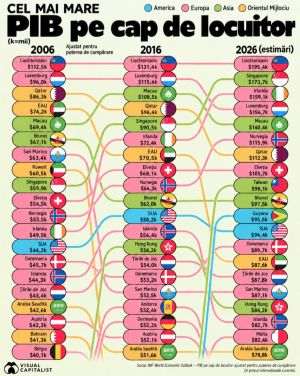
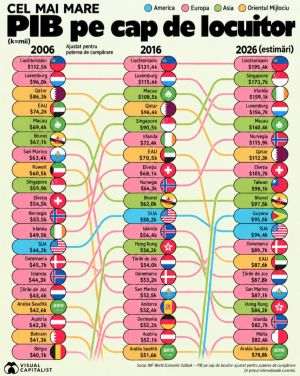
The United States remains one of the most dynamic developed economies, but the data do not support the idea of an exceptional, unprecedented boom. The reality is one of resilience and above-average growth, not of an economic miracle.
























 Euro
Euro Dolar SUA
 Franc elveţian
 Liră sterlină
 Gram de aur