 English

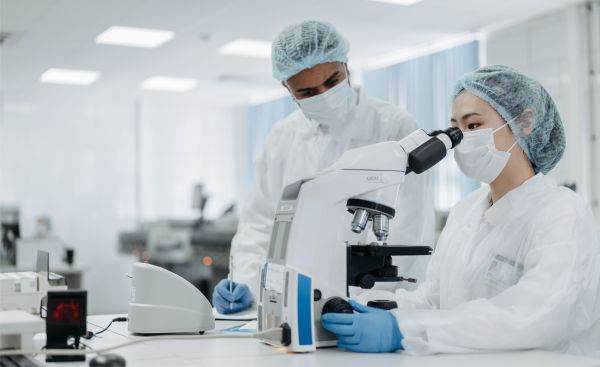
A team of researchers at the University of Chicago (UIC) has developed an experimental cancer therapy that uses proteins produced by bacteria naturally present inside tumors. According to a study published in the journal Signal Transduction and Targeted Therapy and cited by Science Daily, the treatment has shown promising results in preclinical tests on prostate cancer, especially when combined with radiotherapy.
• Targeting the energy source of cancer cells
The new therapy is based on a peptide called aurB, created from a bacterial protein called auracyanin. According to the researchers, the compound acts on mitochondria - the structures responsible for energy production in cells - disrupting their functioning and limiting the supply of energy to tumor cells. "Mitochondria are very important for the survival of a cell; they are the energy factories. Many cancer cells show changes in the number and activity of mitochondria, because they need to grow rapidly and aggressively," explained Tohru Yamada, associate professor in the departments of surgery and biomedical engineering at the University of Chicago and lead author of the study.
• Bacteria in tumors, a possible source of drugs
According to the researchers, it has been known for several years that tumors host communities of bacteria in the so-called tumor microenvironment. In recent years, the interest of scientists has turned to identifying compounds produced by these bacteria that could be transformed into oncological therapies. The laboratory coordinated by Tohru Yamada had previously identified another bacterial protein, from the cupredoxin family, on the basis of which a treatment had been developed, including in clinical trials. The efficiency of that compound, however, depended on the functioning of the p53 gene, one of the most frequently affected by mutations in many types of cancer. "We wanted to develop an anticancer agent that did not depend on p53 function,” the researcher said.
For the new research, the team analyzed tumor samples from breast cancer patients and identified, through DNA sequencing, the bacteria present inside the tumors. One of these produced a protein called auracyanin, which was the basis for the development of the aurB peptide. Experiments showed that aurB enters the mitochondria of cancer cells and binds to ATP synthase, an enzyme essential for the production of ATP, the main source of cellular energy. Blocking this mechanism reduces the ability of tumors to grow.
• Promising results in combination with radiotherapy
According to the study, the researchers tested the new compound on cell lines lacking functional p53 gene activity and on animal models of hormone-resistant prostate cancer. The association between aurB and radiotherapy significantly reduced tumor growth, without the occurrence of significant toxic effects. "The combination significantly enhanced the activity of the peptide, and the tumor shrank considerably. Using a well-established metastatic model, we demonstrated significant inhibition of tumor growth,” said Tohru Yamada.
• Next step: clinical trials
The University of Chicago has already obtained a patent for aurB and is exploring the possibility of further developing the therapy through clinical trials in patients. The study authors believe that auracyanin is just one of the many compounds produced by bacteria in the tumor microenvironment that could become the basis for new oncological treatments in the future.
According to Tohru Yamada, many bacterial proteins remain insufficiently explored, and research into them could open new directions in the development of anti-cancer therapies.

























 Euro
Euro Dolar SUA
 Franc elveţian
 Liră sterlină
 Gram de aur





























