English

European Energy Commissioner Dan Jorgensen warned in an interview with Euronews that even if the Middle East conflict is resolved, energy prices will not return to pre-war levels in the coming years. The seemingly reserved statement is in fact a major wake-up call for the entire European Union, as it officially confirms what markets already suspected: the energy crisis is not a temporary episode, but the beginning of a prolonged period of economic pressure.
"We are in the middle of a very serious crisis right now,” the European Commissioner said, in a direct tone that belies any attempt to gloss over the situation. His message does not come in isolation, but is linked to a letter he sent to EU energy ministers last month, in which he called for swift and coordinated action to limit the impact on people and the economy. Brussels basically recognizes that the current mechanisms are no longer sufficient, and state intervention is becoming inevitable.
"I have to be quite direct and say that we are facing very difficult months and even years, because even if there were peace tomorrow, rebuilding the gas infrastructure, for example in Qatar, could take years,” Dan Jorgensen explained to the cited source, clearly indicating that the problem is not only geopolitical, but also an infrastructure one. In other words, even in the optimistic scenario of a quick end to the conflict, the economic effects will continue to be felt in the long term.
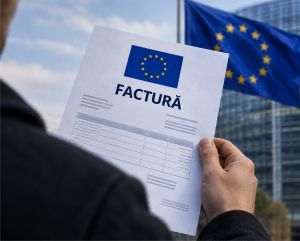
The data confirms the size of the shock: in just two months, Europe has accumulated additional costs of 24 billion euros for energy, which means a daily burden of approximately 5 million euros. These amounts do not remain at the macroeconomic level, but are transferred directly to citizens' bills and companies' costs, fueling a vicious circle of price increases.
"Prices will not stabilise at the level they were before this crisis,” stressed Commissioner Jorgensen, confirming the idea that Europe is entering a new energy normality. This is no longer about returning to the past, but about adapting to a future in which energy will remain expensive and volatile.
In this context, the letter addressed at the end of last month to the energy ministers of the EU member states takes on strategic weight. Dan Jorgensen explicitly called for the introduction of social protection mechanisms - energy vouchers, income support and social tariffs, a sign that the impact on the vulnerable population will be severe. At the same time, responsibility is shared: member states are encouraged to make their own decisions, including on the taxation of windfall profits.
"The windfall profit tax is certainly something that member states can choose to introduce at national level, and if they choose to do so, we will also help facilitate and advise, based on the experiences, both good and not so good, from 2022,” said Dan Jorgensen, leaving the way open for further fiscal interventions.
The crisis is also amplified by the war in Ukraine, which continues to destroy the region's energy infrastructure and destabilize markets. "In my portfolio, I can say that working with Ukraine to help rebuild the energy sector is extremely painful, because the Russians are brutally bombing Ukraine's energy infrastructure,” said the European Energy Commissioner, adding: "The Ukrainians have had a very cold winter. People have been freezing, they have been without electricity, and obviously rebuilding is a costly endeavor.”
All these elements outline a harsh conclusion: Europe is not just going through a crisis, but a profound transformation of its energy system. High costs, state interventions and geopolitical tensions will redefine the continental economy in the coming years.








 Euro
Euro Dolar SUA
 Franc elveţian
 Liră sterlină
 Gram de aur