 English

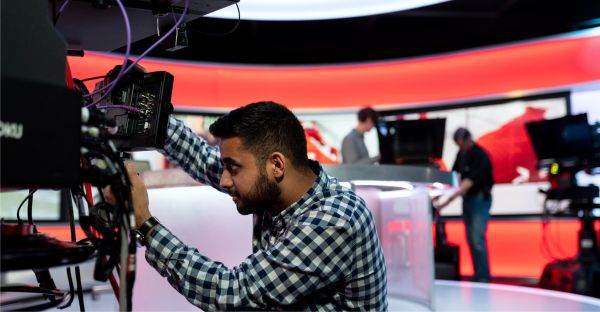
Sky, controlled by US group Comcast, has reached an agreement to acquire ITV's TV channels and streaming platform ITVX in a deal valued at £1.6bn (about $2.13bn). The merger will create one of the UK's most powerful media groups at a time when traditional broadcasters are struggling to cope with increasing competition from global streaming platforms and online video services, CNBC reports.
• Consolidation in an industry under pressure from digital platforms
The acquisition brings together the UK's largest free-to-air commercial broadcaster, known for productions such as Coronation Street, with the UK's leading pay-TV operator. Just a few years ago, such a combination seemed unlikely, but the rapid transformation of the media market and the migration of audiences to platforms such as YouTube, Netflix, Amazon and Disney have led the big companies to consolidate their positions. Sky CEO Dana Strong described the deal as "a defining moment” for the British television industry, saying that the new group would maintain its commitment to investing in local productions. According to her, the size of the future company will allow it to compete more effectively with the large global platforms that are increasingly attracting more of the audience and advertising budgets.
• A dominant share of the TV advertising market
One of the most sensitive parts of the transaction concerns the British advertising market. Analysts estimate that the new company will control more than 70% of TV advertising in the United Kingdom, including through contracts to sell ads for other channels. For this reason, the deal is expected to be carefully analyzed by competition authorities and policymakers. Sky management argues that the profound changes in the industry justify a more flexible approach from regulators, but the approval process is expected to be complex and lengthy.
To address potential competition concerns, Sky could be forced to give up some of the contracts through which it sells advertising for other broadcasters, including Paramount-controlled Channel 5.
• Editorial independence of news channels
Another sensitive issue is the news market. Sky operates Sky News, while ITV broadcasts news bulletins produced by ITN, alongside its own regional programs. Dana Strong said that Sky News will continue to operate independently after 2029, and the editorial identities of Sky News and ITV News will remain separate.
At the same time, ITV will retain a 20% stake in the news agency ITN, while another 20% will be transferred to Sky. The two companies estimate that the integration will generate annual savings of around £200 million. The most significant cost reductions are expected in the areas of marketing, technology and international content acquisition. Management confirmed that there will be staff redundancies, but said that these will only represent a limited part of the planned savings.
• ITV to retain its production business
After the transaction is completed, ITV will continue to exist as an independent content producer through ITV Studios. The company will continue to make programmes for both the new Sky-ITV group and for international clients, including Disney and Apple TV. The new group has committed to investing at least £2.1 billion in productions made by ITV Studios between 2028 and 2032. As part of the restructuring, ITV will also take over Love Productions, the producer of The Great British Bake Off, which will become part of the ITV Studios division.
Following the sale, ITV will receive £1.2 billion in cash and could receive up to £200 million more, depending on the evolution of advertising revenues in 2027. The company announced that it intends to distribute around £950 million to shareholders, which also turns the transaction into a value creation operation for investors.
• The transaction takes place against the background of Comcast's reorganization
The agreement comes during a period of extensive restructuring of the Comcast group. The American company announced in June that it intends to separate media assets, including Sky and NBCUniversal, from traditional cable operations, in an attempt to respond to the pressure exerted by streaming platforms on the classic television model.
In parallel, the British authorities have signaled that they are prepared to intervene in major transactions in the media sector when they raise issues of competition, pluralism of information or public interest. In this context, the agreement between Sky and ITV is expected to undergo rigorous analysis before it can be finalized.




















 Euro
Euro Dolar SUA
 Franc elveţian
 Liră sterlină
 Gram de aur





























