English

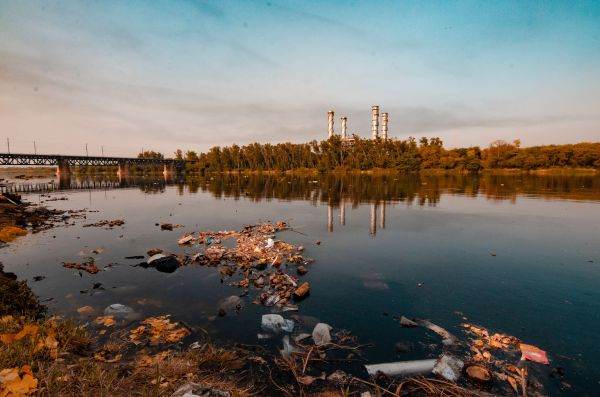
Currently available technologies for eliminating perfluoroalkyl and polyfluoroalkyl substances (PFAS), known as "eternal pollutants”, can only reduce a tiny fraction of existing pollution, even with investments of tens of billions of euros annually. The conclusion comes from a study published in the scientific journal Environmental Science: Processes & Impacts, whose authors warn that the only viable long-term solution is to drastically reduce emissions and prevent contamination, AFP reports.
• Huge costs for limited results
According to the research, the treatment processes currently used could eliminate less than 2% of current PFAS emissions in Europe, even with investments considered unprecedented. The authors estimate that treating the new generations of PFAS, especially trifluoroacetic acid (TFA), would require spending around 100 billion euros annually. This is around 50 times higher than the estimated costs of eliminating "historical” PFAS, substances that are already subject to strict European regulations. Despite these huge investments, the effect on pollution reduction would remain very limited.
• The analysis covers over 12,000 contaminated sites in Europe
The study was carried out by scientists and journalists involved in the Forever Pollution Project, coordinated by the French daily Le Monde. The research uses an updated database of over 12,000 European sites with soil suspected of being contaminated with PFAS, supplemented by information on drinking water, wastewater, sludge from treatment plants, agricultural land on which they are used and landfills. Based on these data and an assessment of available technologies, the authors analyzed the real capacity of current decontamination methods.
• Diffuse pollution makes environmental cleanup impossible
According to the study, the main problem is not only the efficiency of existing technologies, but also the extremely widespread nature of the contamination. PFAS have been used for decades in a very wide range of industrial processes and consumer products, and once in the environment they disperse in water, soil and ecosystems, making their large-scale elimination almost impossible. The authors conclude that remediation of diffusely contaminated environments is neither technically nor economically feasible, and available resources should be focused on areas with very high concentrations of pollutants.
• "Decontamination can't keep up with emissions”
Alison L. Ling, a researcher at the University of Saint Thomas in Minnesota and lead author of the study, says that the current rate of production of these substances far exceeds society's ability to remove them from the environment. "We produce so many PFAS, and these substances are so persistent and mobile, that decontamination operations alone cannot keep up with the current rate of emissions,” the researcher said. In turn, Professor Hans Peter Arp, a specialist in environmental chemistry and co-author of the study, believes that the results are surprising only at first glance.
According to him, the continuous accumulation of PFAS in forests, groundwater, grasslands, ecosystems, food chains and even in the human body explains the limits of current decontamination methods.
• TFA, the new major concern of researchers
Special attention is paid to trifluoroacetic acid (TFA), one of the short-chain compounds in the PFAS family. The substance is widely used in industry and is also used in some herbicides, and is considered extremely persistent and highly mobile in the environment. The authors of the study warn that TFA represents an extreme example of accumulation in nature and contributes to increasing the difficulties and costs associated with decontamination. On June 10, the European Chemicals Agency (ECHA) classified TFA as a substance toxic to reproduction. At the same time, the French National Agency for Health Security (ANSES) announced, following a national monitoring campaign published in December 2025, that TFA was identified in 92% of the water samples analyzed. ECHA warns that this substance is extremely persistent and highly mobile, which makes it capable of causing long-term contamination of water resources.
• Prevention, the only sustainable solution
The authors conclude that investments in decontamination, although necessary in certain situations, cannot represent the main strategy for combating PFAS pollution. In their opinion, the only economically effective and sustainable approach is to reduce the production and use of these substances, prevent emissions and limiting their introduction into the environment. In the absence of firm prevention measures, researchers warn, contamination will continue to expand at a pace that current technologies cannot compensate for, and economic and health costs will increase steadily in the coming decades.
























 Euro
Euro Dolar SUA
 Franc elveţian
 Liră sterlină
 Gram de aur